
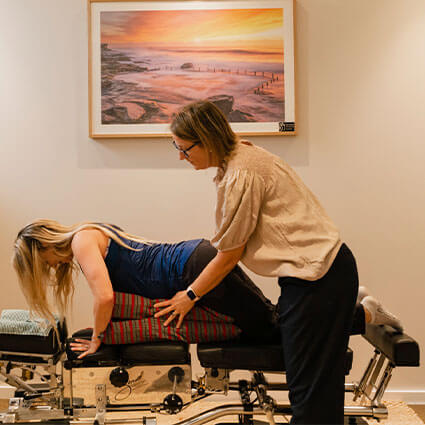
 Pregnancy asks a lot of your body. As your baby grows, you might notice that your lower back feels tired, your pelvis feels different, or movements that were once easy suddenly take a little more thought.
These changes can be frustrating, especially when you’re also juggling work, family and everything else life brings. Understanding why they happen can be a helpful place to start.
Why Does Your Back Feel Different During Pregnancy?
As your belly grows, your centre of gravity naturally shifts forwards. Your posture and the way you walk may change in response, altering the load placed through your lower back, pelvis, hips and surrounding muscles.
Hormones such as relaxin also play an important role during pregnancy. They help prepare your body for birth by increasing mobility through ligaments and connective tissues.
You might find yourself leaning onto one hip, arching your lower back or carrying yourself differently without even noticing. Add long periods of sitting, caring for toddlers, disrupted sleep or the general demands of everyday life, and it’s understandable that your body may sometimes feel uncomfortable or fatigued.
Small Changes to Consider
There’s no single approach that suits every pregnancy, but paying attention to a few everyday habits may help you feel more at ease as your body changes.
Try changing positions regularly rather than sitting or standing in one spot for long periods. When sleeping, you might find side sleeping with a pillow between your knees or a pregnancy pillow more comfortable.
Comfortable, supportive footwear is another simple consideration. When lifting bags, toddlers or other objects, bring them close to your body and avoid twisting where possible.
Gentle activities such as walking, swimming, stretching or pregnancy-specific movement may also be suitable for some women. Always check with your healthcare provider about exercise that is appropriate for your individual pregnancy.
Pregnancy Care at Inborn Vitality
At Inborn Vitality, we provide individualised chiropractic care for women during pregnancy, with an approach that considers movement, posture and the changes occurring throughout each stage.
If you’re experiencing back or pelvic discomfort or simply have questions about chiropractic care during pregnancy, get in touch with our team to learn more about whether care may be suitable for you.